Paul Lang · 23 September 2026
How Bulgaria's Centralized Payment Network Manages Fraud Prevention in Everyday Retail Transactions
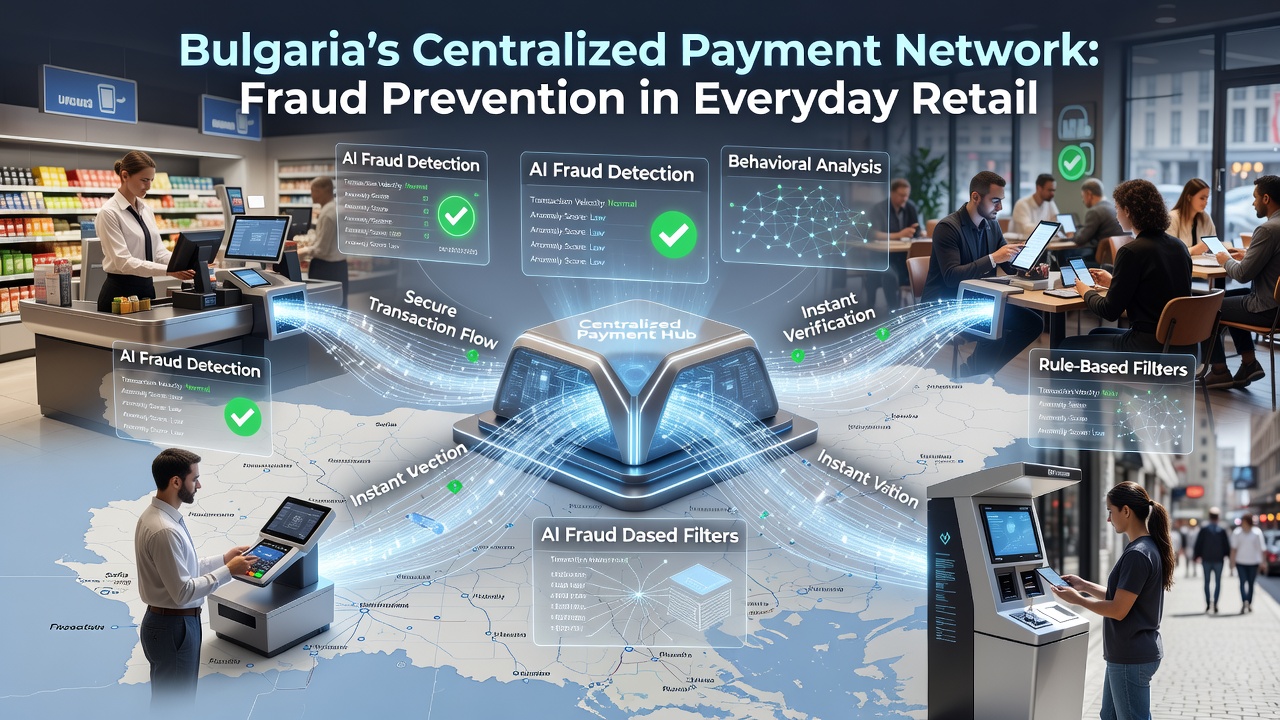
Bulgaria operates a centralized payment network through BORICA that processes the majority of card-based retail transactions across the country, and this system incorporates multiple layers of fraud detection that activate before funds transfer completes. The network connects banks, merchants, and card schemes into a single infrastructure where transaction data flows through centralized monitoring points rather than remaining isolated at individual institutions.Core Architecture of the Network
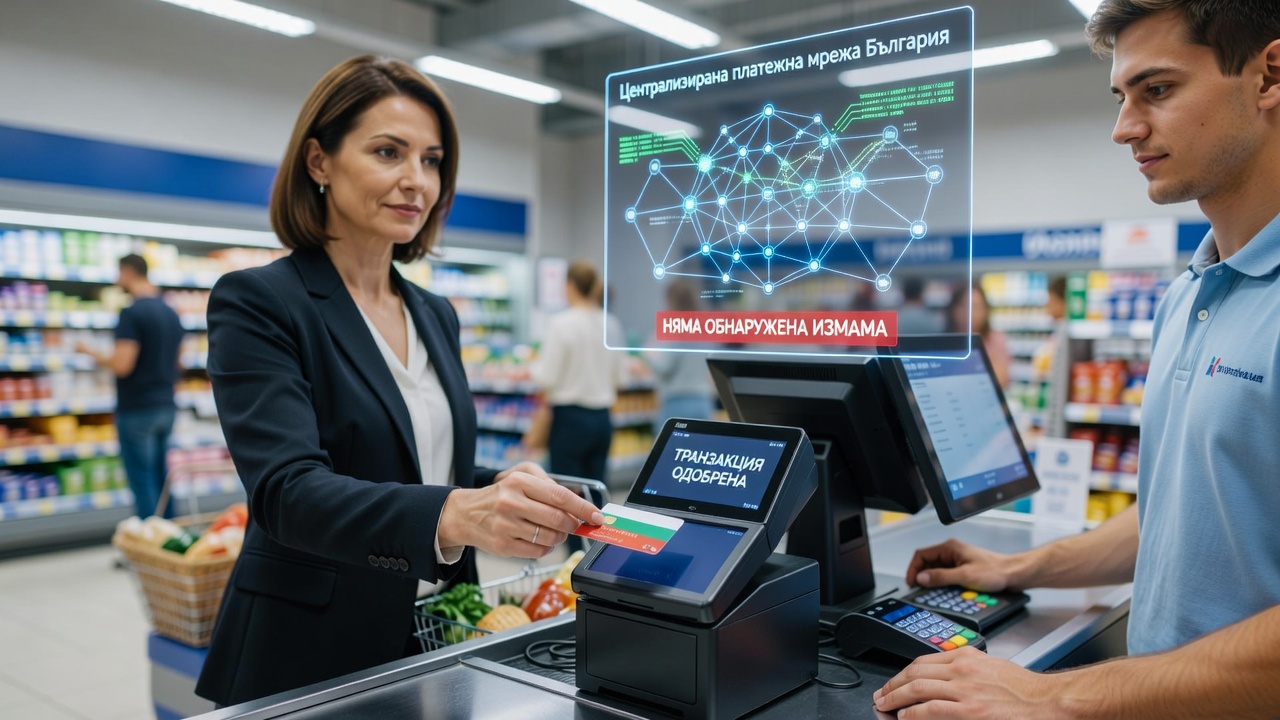
BORICA functions as the national operator for card payments and clearing services, routing authorizations and settlements through its platform while maintaining real-time visibility into transaction patterns. Retail outlets from large chains to small vendors connect via point-of-sale terminals that transmit details including card number, amount, merchant identifier, and timestamp to the central system for validation. This setup allows the network to compare each new transaction against historical data from the same card or merchant within milliseconds, flagging anomalies such as sudden high-value purchases or usage in distant locations.
Researchers at the European Central Bank have documented how centralized operators in several member states achieve lower fraud rates than fragmented systems because they aggregate data across multiple banks and can apply uniform detection rules. Bulgaria's approach follows this model, with the central platform applying both rule-based checks and machine learning models that update daily based on emerging patterns observed in the previous weeks.
Fraud Prevention Mechanisms in Retail Settings
Everyday purchases at supermarkets, fuel stations, and clothing stores trigger a sequence of automated controls before authorization reaches the issuing bank. The system first verifies card validity and checks for known compromised numbers, then evaluates velocity rules that track how many transactions occurred in the last hour. If a card registers three rapid attempts at different terminals, the network may decline the fourth request automatically and notify the issuer for manual review.
Tokenization plays a significant role here as well, since many contactless and mobile payments replace actual card details with unique tokens that lose value if intercepted. Merchants receive confirmation without ever handling the original card number, which reduces exposure during data breaches at retail locations. In September 2026 the network plans to expand token support for additional payment types, aligning with broader European standards for secure commerce.
Real-Time Monitoring and Response
Monitoring teams review aggregated alerts generated by the central algorithms, focusing on clusters that indicate coordinated attacks such as skimming devices at multiple stores. When suspicious activity appears, the system can block further authorizations for specific cards or merchants while investigators contact the affected parties. Data from the platform shows that most blocks occur within the first 30 seconds of a flagged transaction, limiting potential losses before goods leave the premises.
Observers note that smaller retailers benefit particularly from this shared infrastructure because they lack resources to build their own detection tools yet gain protection equivalent to larger chains through the central network. Transaction logs feed into monthly reports that highlight emerging risks, allowing banks and merchants to adjust staff training or terminal settings accordingly.
Integration with Authentication Standards
Strong customer authentication requirements under EU rules integrate directly into the BORICA workflow, requiring two factors such as a PIN plus device confirmation for transactions above certain thresholds. The centralized system routes these challenges efficiently, logging each step so issuers can audit decisions later. When a customer disputes a charge, the network supplies the full authorization trail including authentication results, which speeds resolution and reduces chargeback volumes over time.
Industry reports from the European Payments Council indicate that countries with similar centralized clearing see measurable declines in card-not-present fraud when authentication layers combine with behavioral analytics at the network level. Bulgaria applies these same principles to in-store purchases, where the terminal itself can prompt for additional verification if risk scores rise.
Conclusion
Bulgaria's centralized payment network maintains fraud prevention through continuous data aggregation, automated rule application, and coordinated response across banks and merchants. Retail transactions benefit from this structure because every authorization passes through the same monitoring layer regardless of merchant size, creating consistent protection without requiring individual businesses to develop separate systems. As updates scheduled for September 2026 come online, the platform will extend these controls to newer payment formats while preserving the core architecture that already processes millions of daily retail interactions.