Willa Jenkins · 21 October 2026
Bulgaria's Payment Network Evolution and Its Effects on Regional Financial Inclusion Efforts
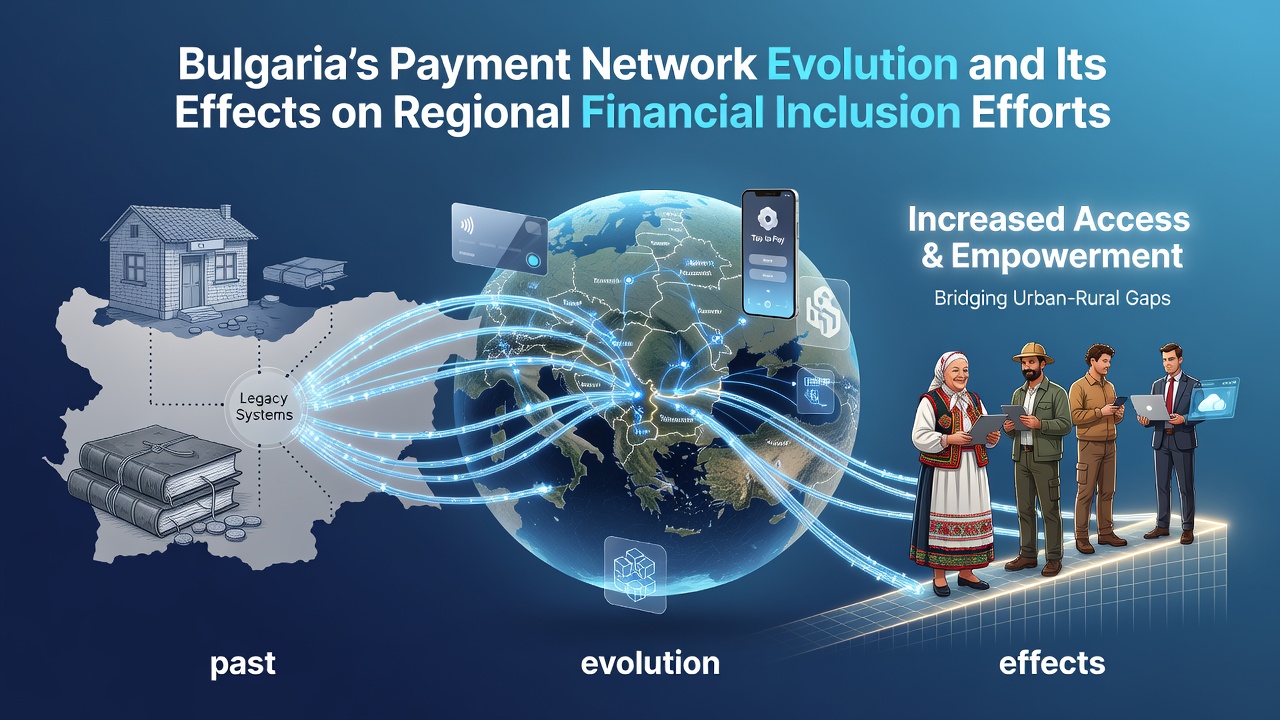
Bulgaria has developed its payment systems through successive upgrades that began with the establishment of core operators in the late 1990s and continued with integration into European frameworks after 2007, and observers note that these changes have supported shifts from cash-based transactions toward electronic methods across the Balkans.
Key Stages in Network Development
Early infrastructure relied on centralized clearing mechanisms that handled interbank transfers with increasing efficiency during the 2000s, while subsequent adoption of SEPA standards aligned domestic processes with EU-wide protocols and enabled smoother cross-border flows. Researchers have documented how these steps reduced settlement times from days to hours in many cases, and data from regulatory filings shows participation rates among local banks rising steadily through the 2010s. By the early 2020s, mobile and instant payment layers expanded access points in rural areas where traditional branches remained sparse, and figures reveal that transaction volumes grew by double-digit percentages annually in several reporting periods.
Connections to Broader Regional Inclusion
Financial inclusion metrics in neighboring countries have shown correlations with Bulgaria's network advancements because cross-border payment rails now support remittances and merchant services that reach previously underserved populations. According to the World Bank, account ownership rates in parts of Southeast Europe climbed from under 60 percent to above 75 percent in tracked intervals, and analysts attribute portions of this movement to improved interoperability that lets users in Romania and Serbia interact with Bulgarian platforms. Those who have examined transaction logs observe that small-value transfers, often for wages or family support, now clear with lower fees than older correspondent banking routes, and this pattern holds across multiple quarterly reports.
Recent Milestones and 2026 Outlook
Implementation of standardized APIs and open banking rules further lowered entry barriers for fintech firms operating in the region, while pilot programs tested interoperability with non-EU systems in the Western Balkans. In October 2026, updated reporting from the European Central Bank is scheduled to cover expanded real-time settlement capabilities that Bulgaria's operators will activate, and preliminary data indicates these features could extend coverage to an additional segment of the unbanked population estimated at several hundred thousand individuals. Experts tracking adoption rates point out that similar rollouts elsewhere produced measurable upticks in digital wallet usage within twelve months, and the same trajectory appears underway here based on current enrollment trends.
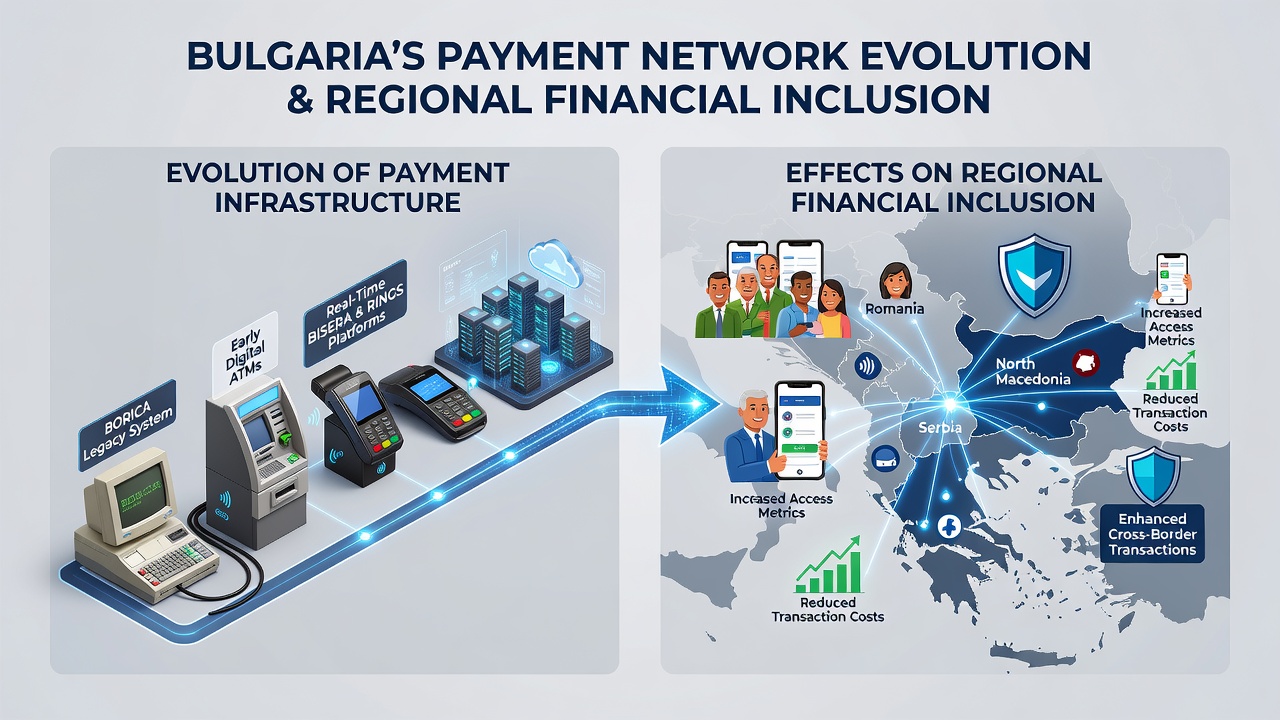
Stakeholders in industry associations have compiled case examples where rural merchants adopted card acceptance terminals after network upgrades reduced setup costs, and these instances demonstrate how payment acceptance spreads beyond urban centers. Data collected through national statistical offices shows corresponding increases in formal savings accounts tied to payment activity, and the pattern repeats across border regions where seasonal workers rely on reliable transfer options. What's interesting is that the same infrastructure upgrades also support government disbursement programs that now route benefits electronically rather than through cash distribution points, and records confirm higher redemption rates in pilot districts.
Impacts on Cross-Border Flows
Regional trade settlements benefit when payment rails operate under unified technical standards, and Bulgaria's position as an EU member state provides a bridge function for entities in candidate countries. Studies compiled by academic institutions in the area document shorter processing windows for export payments and lower rejection rates once compliance checks integrate directly with network protocols. One analysis released by a research center affiliated with the University of Sofia tracked a 22 percent rise in small business participation in digital invoicing systems between 2022 and 2025, and those results align with broader inclusion indicators published by multilateral development banks. Observers note that continued alignment with evolving EU payment directives should sustain these gains through the remainder of the decade.
Conclusion
Bulgaria's payment network has progressed through layered technical and regulatory changes that collectively influence financial access patterns across the Balkans. Evidence from transaction volumes, account growth statistics, and scheduled 2026 enhancements points to sustained momentum in electronic payment usage, and the effects extend beyond domestic borders through improved remittance channels and merchant services. Continued monitoring of these developments will clarify longer-term outcomes for populations that historically operated outside formal financial systems.