Freya Schwarz · 7 October 2026
Bulgaria's National Clearinghouse and Its Protocols for Managing Interbank Settlement Volumes During Economic Shifts
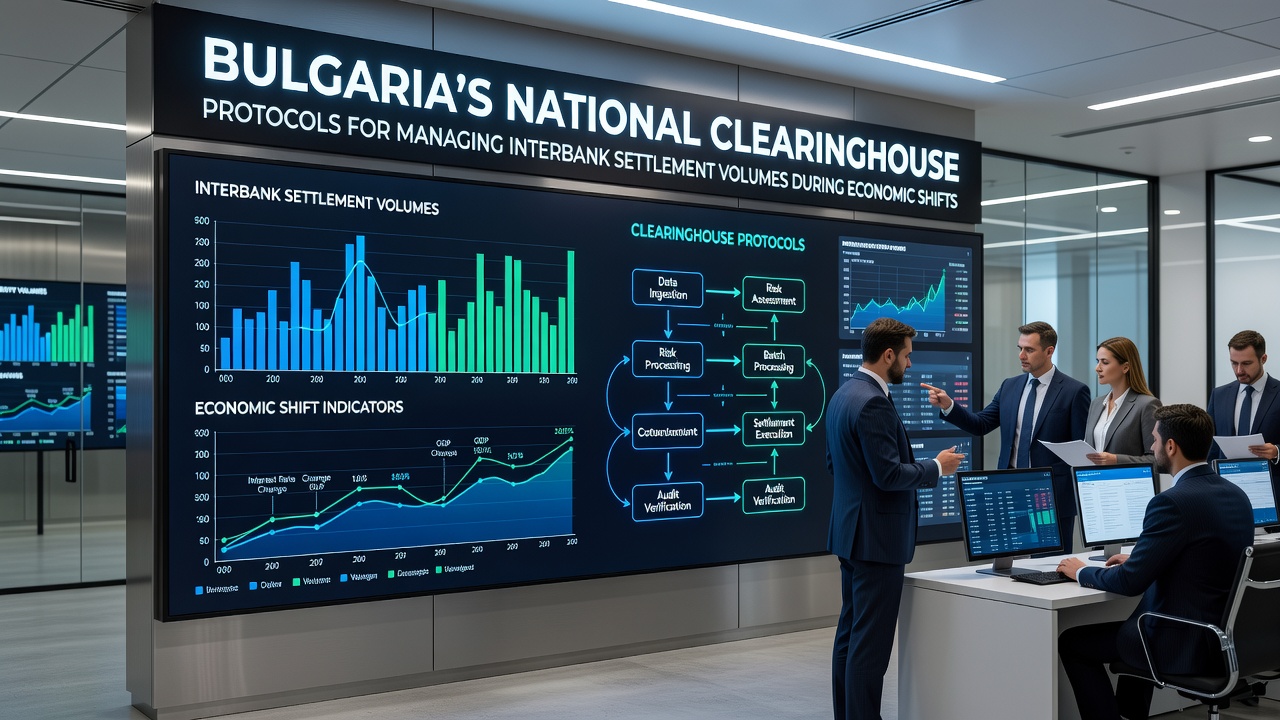
Bulgaria maintains a centralized national clearinghouse that processes interbank payments and settlements through established protocols designed to handle fluctuations in transaction volumes, and these systems operate under oversight from the Bulgarian National Bank while aligning with broader European frameworks for payment infrastructure. The clearinghouse coordinates both high-value and retail transactions, routing them through dedicated channels that distinguish between urgent large-scale transfers and everyday retail flows, which allows operators to prioritize resources when economic conditions shift and volumes spike or contract unexpectedly.
Core Functions and Daily Operations
Settlement occurs through a combination of real-time gross settlement for critical payments and net settlement batches for smaller items, a setup that reduces liquidity demands during normal periods yet scales when markets experience stress from events like currency fluctuations or trade disruptions. Protocols include automated monitoring tools that track incoming volume in real time, triggering alerts when thresholds approach predefined limits tied to available liquidity buffers maintained by participating banks. Those thresholds get reviewed periodically based on historical data patterns collected over multiple economic cycles, ensuring the system can absorb increases without halting processing.
Adaptation Mechanisms During Volume Surges
When economic shifts occur, such as rapid changes in foreign investment or domestic consumption patterns, the clearinghouse activates predefined escalation procedures that include reallocating processing capacity and extending operating hours if necessary. Banks receive instructions to pre-fund accounts with additional collateral, and the clearinghouse enforces these measures through automated checks that prevent transactions from entering the queue until requirements are met. Data from past periods of volatility shows these steps maintain continuity, with settlement completion rates remaining above 99 percent even as daily volumes rose by 30 to 40 percent in affected months.
Researchers at institutions tracking European payment systems have documented similar approaches across several member states, noting that Bulgaria's framework incorporates elements of the Single Euro Payments Area standards even though the country has not yet adopted the euro as its currency. This preparation involves ongoing alignment of message formats and security protocols, which helps the clearinghouse integrate future changes without major overhauls.
Role of Regulatory Oversight and Reporting
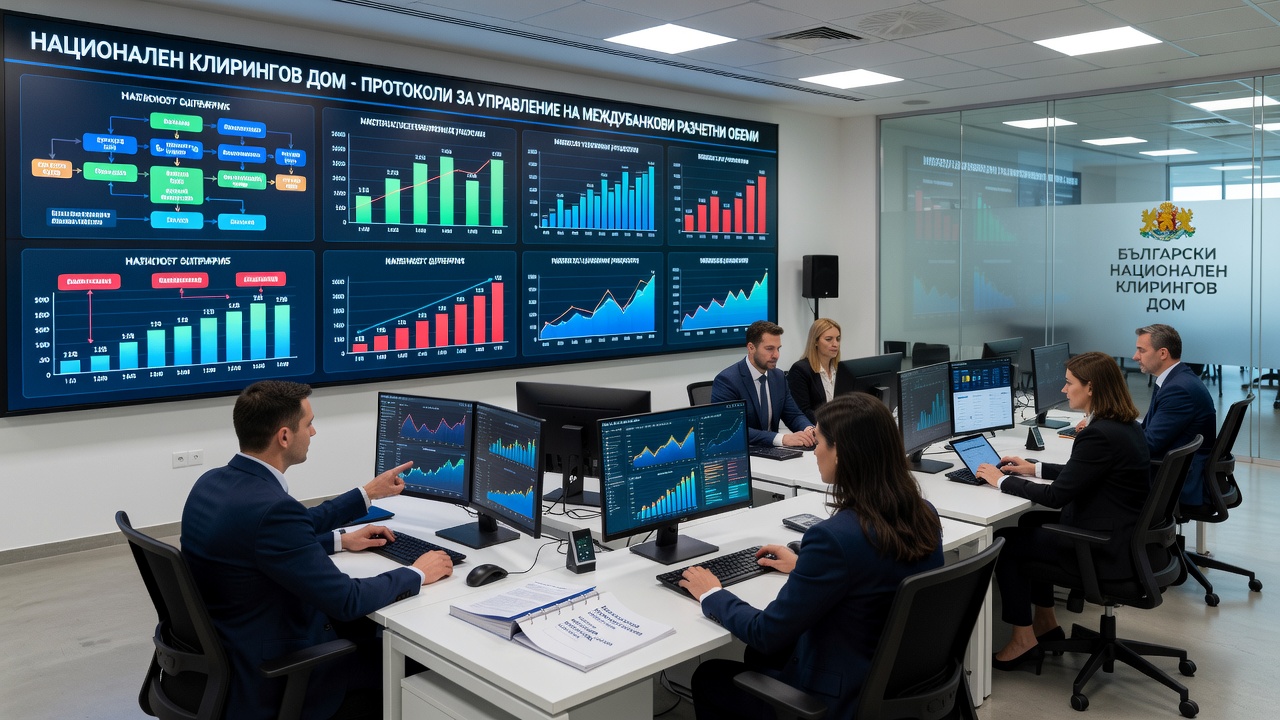
The Bulgarian National Bank receives daily and weekly reports on settlement volumes and any deviations from expected ranges, which allows supervisors to assess whether additional interventions are warranted. In October 2026, updated reporting templates introduced more granular breakdowns by transaction type, giving regulators clearer visibility into how retail versus corporate flows respond to macroeconomic signals. These reports feed into stress-testing exercises conducted jointly with commercial banks, where simulated volume spikes test the resilience of liquidity management rules.
External observers from organizations like the European Central Bank have examined these practices as part of broader assessments of non-euro area payment systems, highlighting the use of collateral pools that can be mobilized quickly when settlement queues lengthen. Banks maintain access to intraday credit facilities backed by eligible securities, and the clearinghouse adjusts haircut percentages on those securities in response to market volatility indicators published by regional authorities.
Technical Infrastructure Supporting Volume Management
The underlying technology relies on redundant data centers connected through secure networks that support both batch and continuous processing modes, switching between them based on volume forecasts generated by algorithmic models. Those models incorporate inputs from macroeconomic indicators, including GDP growth rates and inflation data released by national statistical offices, to predict pressure points several days ahead. When forecasts indicate elevated activity, operators run additional simulation rounds to verify that backup systems can handle the load without degradation.
Security protocols integrate encryption standards and multi-factor authentication for all participants, measures that remain active regardless of volume levels yet become especially critical during high-activity windows when the risk of attempted interference rises. Regular audits conducted by independent firms verify compliance with these standards and identify any areas where capacity upgrades may be needed ahead of anticipated economic events.
Conclusion
Overall, Bulgaria's national clearinghouse maintains structured protocols that combine real-time monitoring, liquidity safeguards, and regulatory reporting to manage interbank settlement volumes through varying economic conditions. These arrangements draw on both domestic oversight and alignment with European payment practices, creating a framework that supports continuity while adapting to shifts in transaction patterns. Continued refinements to reporting and infrastructure are expected to further strengthen these capabilities as new data becomes available.